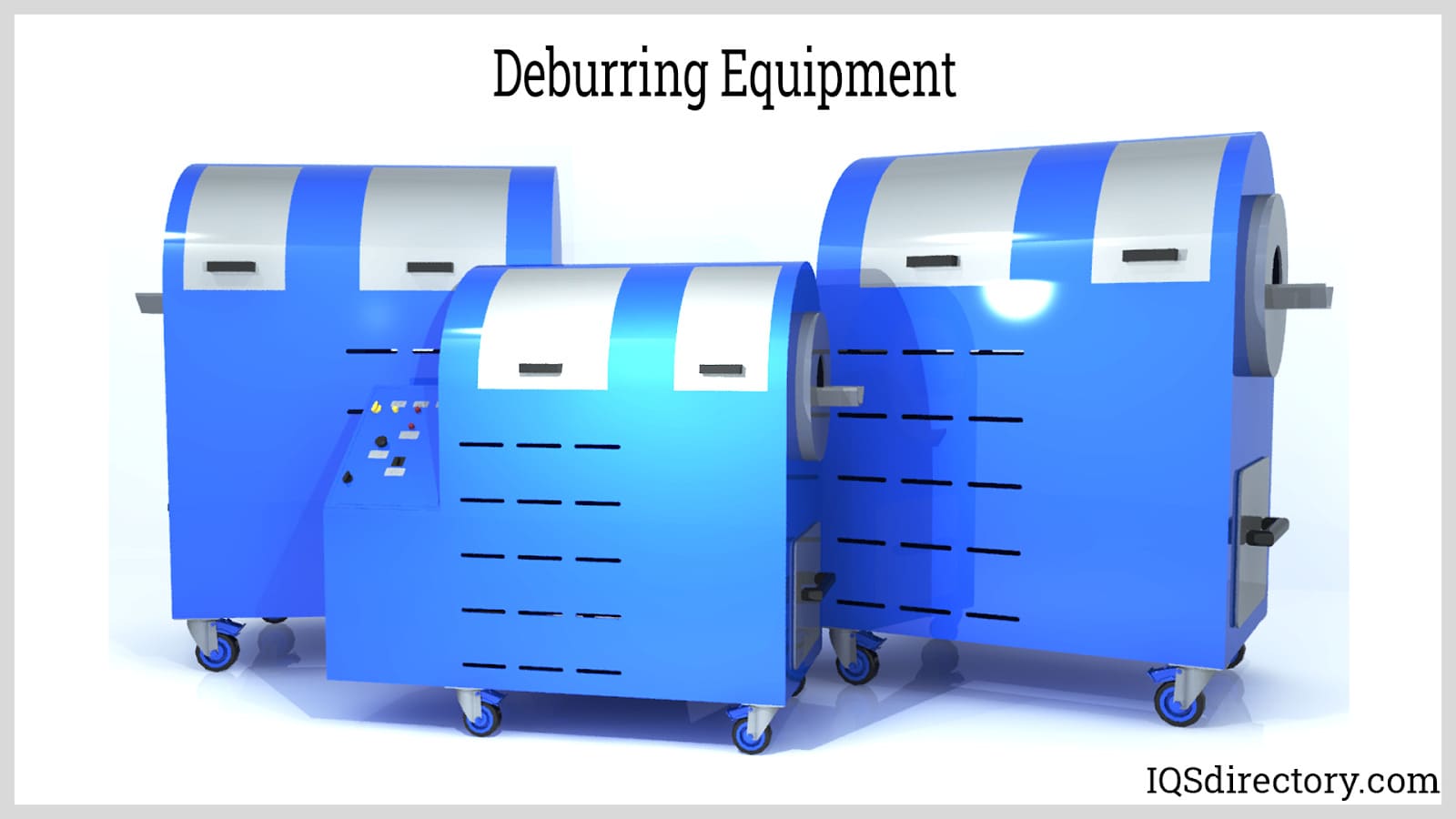
Uneven bits on the surface and edges of the materials are referred to as burrs. Deburring is the process by which edges or ridges of machined parts and other objects are neatened or smoothed. The term “deburring equipment” refers to all of those machines that carry out this process. Read More…
Otec USA Inc. is a world-class supplier of mass finishing equipment and supplies. Our primary products include centrifugal disc, drag and stream finishing machines to meet all of your deburring, polishing, grinding and honing requirements.

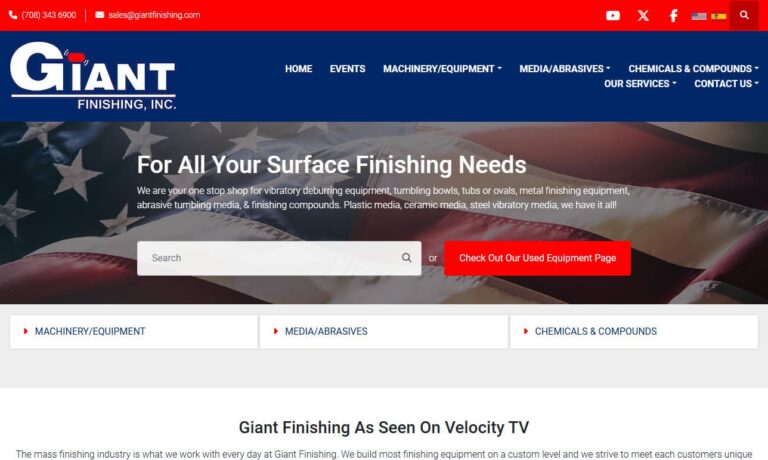
Giant Finishing is a well-known manufacturer of deburring equipment and machinery, media and compounds, molding vibratory bowls, multi-stage washers and more. We have over 100 standard models to choose from, or we can custom-manufacture products to meet your needs! In business for two decades, we provide the mass-finishing industry with complete equipment solutions.
Great Lakes Finishing Equipment, Inc. is a leading supplier of the deburring equipment, machines, and supplies for all your mass finishing projects. This equipment includes continuous systems, vibratory bowls, tubs, and high energy centrifugal barrel machines. Let our deburring specialists work with you to find the best deburring machinery for your project.

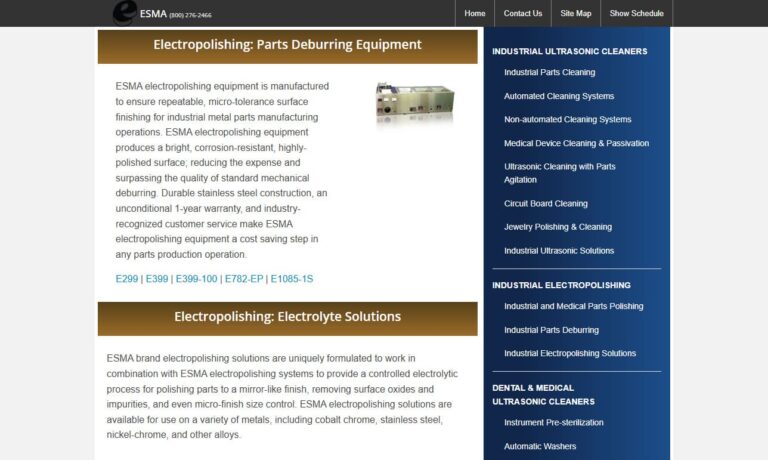
At ESMA, Inc., we specialize in designing and manufacturing advanced deburring equipment that streamlines precision finishing across a wide range of industries. With decades of experience at the forefront of electropolishing and metal finishing technologies, we’ve developed solutions that eliminate manual labor, reduce cycle times, and deliver consistent, high-quality results.

More Deburring Machinery Manufacturers
Understanding Burrs and the Role of Deburring Equipment in Manufacturing
In the realm of manufacturing and material processing, the term “burrs” refers to the uneven, often jagged protrusions or ridges that form on the surface and edges of materials during various production processes. These imperfections can manifest as sharp, raised bits of material that remain attached to a workpiece, compromising its functionality, safety, and aesthetic appeal. Burrs typically arise from mechanical actions such as cutting, grinding, milling, stamping, drilling, or shaping, and their presence can lead to issues like improper assembly, reduced durability, or even safety hazards in the final product. To address this, the process of deburring is employed, which involves smoothing, neatening, or entirely removing these unwanted edges and ridges to ensure the workpiece meets strict quality and safety standards demanded in modern manufacturing environments.
What Are Burrs and Why Do They Form?
Burrs are a natural byproduct of machining and fabrication processes, forming when material is displaced rather than cleanly cut or removed. For instance, during drilling, a drill bit may push material outward, creating a raised edge around the hole. Similarly, in stamping, the force of the press can cause metal to deform, leaving burrs along the sheared edges. The size, shape, and severity of burrs depend on factors like the material’s properties, the machining method, and the tools used. Harder materials like steel may produce sharper, more pronounced burrs, while softer materials like plastic might result in more pliable, less defined burrs. Regardless of the material, burrs can negatively impact the performance of a part, such as causing friction in moving components, interfering with tight tolerances in assemblies, or affecting subsequent finishing operations like painting or coating.
Looking to learn more about why burrs are a critical concern in your industry? Explore how burr formation affects part reliability and downstream manufacturing processes.
The Deburring Process: Smoothing for Quality and Safety
Deburring is a critical finishing process aimed at eliminating burrs to enhance the quality, functionality, and safety of machined parts and other objects. This process ensures that edges are smooth, surfaces are even, and the workpiece adheres to precise specifications. Beyond improving aesthetics, deburring serves several practical purposes:
-
- Safety: Sharp burrs on metal or plastic parts can pose a risk of injury to workers during handling or assembly, as well as to end-users of the final product.
- Functionality: Burrs can interfere with the fit and function of components, such as preventing proper mating in assemblies or causing excessive wear in moving parts like gears or bearings.
- Durability: Removing burrs reduces stress concentrations that could lead to cracks or material failure over time, enhancing the longevity of the part.
- Aesthetic Appeal: Smooth, burr-free surfaces improve the visual quality of a product, which is particularly important for consumer-facing items like electronics or automotive components.
Deburring can be performed manually—using tools like files, sandpaper, or wire brushes—or mechanically, with specialized machinery designed for efficiency and precision. While manual deburring may suffice for small-scale or low-volume production, industrial manufacturing often relies on automated deburring equipment to handle large quantities of parts consistently and cost-effectively.
Curious about how to improve your product’s finish and safety? Compare manual versus automated deburring solutions for your production volume and quality requirements.
What Is Deburring Equipment?
The term deburring equipment encompasses a wide range of machines and tools specifically designed to remove burrs and smooth the surfaces of machined parts. These machines vary in complexity, from simple handheld deburring tools to fully automated deburring systems integrated into production lines. Deburring equipment is engineered to handle different materials, part geometries, and production volumes, making it a versatile solution for manufacturers across industries. Common types of deburring equipment include:
-
- Vibratory Deburring Machines: These use a vibrating bowl filled with abrasive media (e.g., ceramic or plastic pellets) and a chemical compound to tumble parts, smoothing edges through friction. They’re ideal for small, complex parts like screws or fittings, and for batch processing in mass finishing applications.
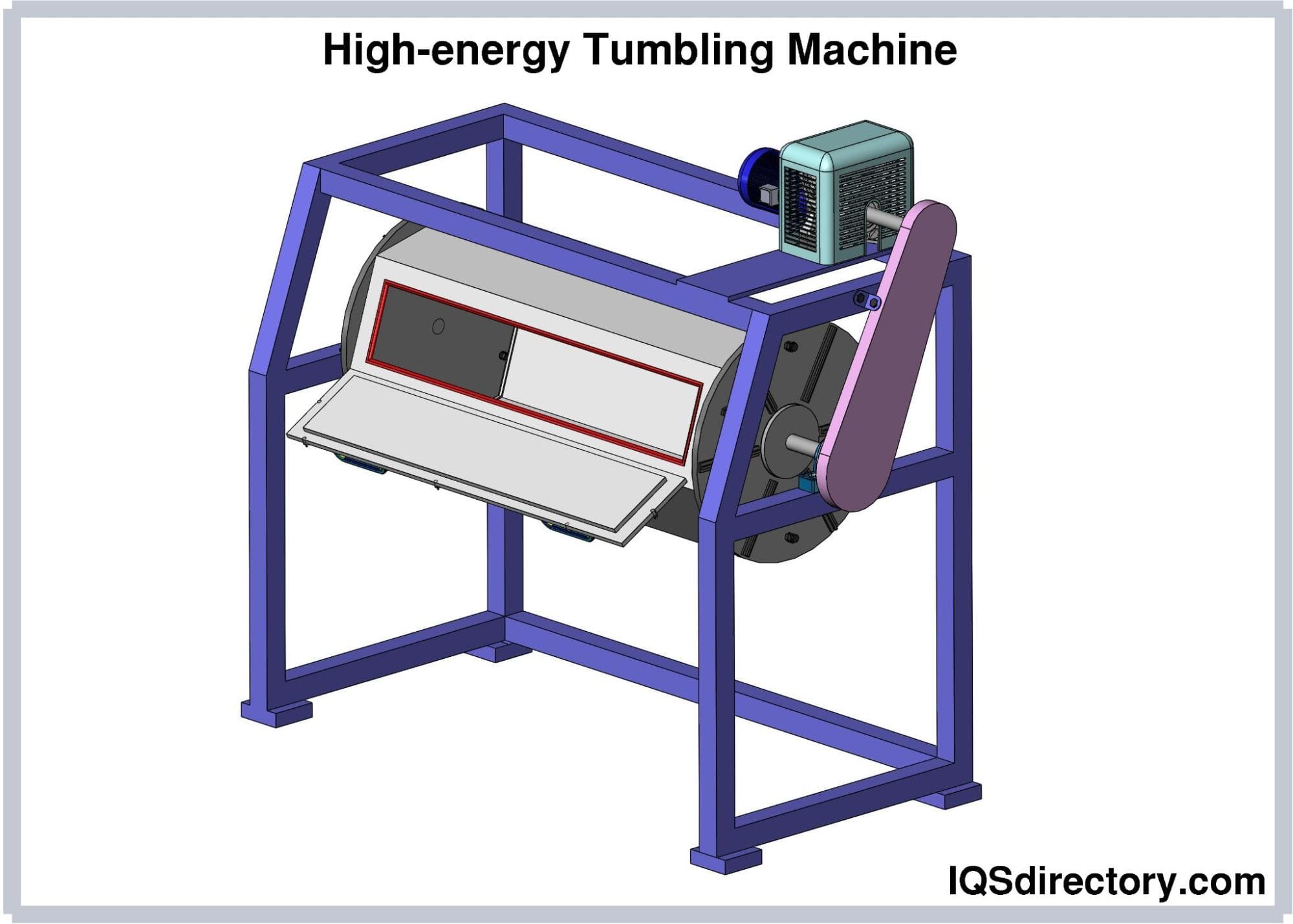
- Tumbling Barrels: Similar to vibratory machines, tumbling barrels rotate parts with abrasive media to remove burrs, often used for larger or heavier components in industries such as automotive or aerospace manufacturing.
- Brush Deburring Machines: These employ rotating brushes with abrasive bristles to deburr flat surfaces or edges, commonly used for sheet metal or stamped parts, and are popular for high-speed, automated lines.
- Thermal Deburring Machines: Also known as “explosive deburring,” these use a controlled combustion process to burn off burrs, suitable for intricate parts with hard-to-reach areas, such as internal passages in fuel injectors or hydraulic components.
- Electrochemical Deburring: This method uses an electrolyte solution and electric current to dissolve burrs, offering precision for delicate or high-value components like medical devices, aerospace parts, and fuel injection systems.
- Abrasive Flow Machining (AFM): In AFM, an abrasive-laden polymer media is forced through or over the part, removing burrs in areas like internal channels, complex geometries, or intersecting holes.
The choice of equipment depends on factors like the material being processed, the part’s size and shape, the production volume, and the desired finish quality. For instance, a manufacturer producing steel automotive parts might opt for a brush deburring machine, while a medical device company might choose electrochemical deburring for precision on titanium implants.
Need help selecting the right deburring machine for your application? Compare leading deburring equipment types and their ideal use cases.
Materials That Require Deburring
Deburring is necessary for a wide variety of materials, each presenting unique challenges due to their physical properties:
-
- Ferrous Metals: These include iron-based metals like steel, stainless steel, and cast iron, commonly used in automotive, aviation, and construction industries. Steel, especially sheet metal, often develops sharp burrs after stamping or laser cutting, requiring robust deburring to ensure safe handling and proper assembly.
- Non-Ferrous Metals: Materials like aluminum, copper, brass, and titanium are widely used in electronics, aerospace, and medical device manufacturing. Aluminum, for example, may form softer burrs that are easier to remove, while titanium’s strength and hardness demand more aggressive deburring methods.
- Sheet Metal: Particularly steel sheet metal, this material is prone to burrs after processes like shearing, punching, or laser cutting. Deburring ensures smooth edges for applications in building construction (e.g., structural panels) or automotive body panels.
- Wood: In woodworking, burrs or splinters can form during cutting, milling, or routing. Deburring (often called sanding in this context) ensures a smooth finish for furniture, cabinetry, or decorative items.
- Plastic: Injection-molded or machined plastic parts, used in electronics and consumer goods, often have burrs at mold parting lines or cut edges. Deburring plastics requires careful methods to avoid damaging the material, such as vibratory deburring with gentle media or specialized manual tools.
Each material’s properties—such as hardness, ductility, or brittleness—dictate the deburring method. For instance, ferrous metals might require heavy-duty abrasive techniques, while plastics need gentler processes to prevent melting or deformation.
Wondering how to deburr a specific material? Browse deburring solutions by material type to maximize efficiency and avoid part damage.
Industries That Rely on Deburring
Deburring is a cornerstone process in numerous industrial manufacturing sectors, where precision, safety, and quality are paramount:
-
-
Electronics Manufacturing
In the electronics industry, precision is paramount. Components such as printed circuit boards (PCBs), connectors, and semiconductor housings must be free of burrs to ensure reliable electrical connections and prevent short circuits. Burrs can disrupt signal integrity or cause overheating, leading to device failure. Deburring also ensures smooth assembly of plastic or metal enclosures, improving fit and durability. Techniques like vibratory tumbling, abrasive blasting, and ultrasonic deburring are commonly used to achieve burr-free surfaces without damaging delicate components. For example, manufacturers producing smartphones or medical diagnostic devices depend on deburring to meet stringent quality standards and ISO certifications. -
Building Construction
The construction industry relies on deburring for sheet metal used in structural elements, HVAC systems, roofing, and cladding. Burrs on metal panels or ductwork pose safety risks during handling and can hinder seamless assembly, leading to gaps or weak joints. Deburring ensures smooth edges, facilitating safe installation and improving aesthetic finishes. Automated deburring systems, such as belt sanders or rotary brushes, are often employed for high-volume production of construction materials. This process is critical for ensuring compliance with building codes and enhancing worker safety on construction sites. -
Automotive Manufacturing
The automotive sector demands precision and durability in components ranging from engine parts to body panels. Burrs on gears, pistons, or transmission components can increase friction, accelerate wear, or cause mechanical failures, compromising vehicle performance and safety. Deburring ensures parts fit together precisely, reducing noise and vibration while extending component lifespan. For exterior panels, deburring eliminates sharp edges, improving paint adhesion and corrosion resistance. Advanced methods like electrochemical deburring, robotic deburring, and CNC-integrated deburring are used to handle complex geometries, supporting high-throughput production for manufacturers like Ford or General Motors. -
Aviation and Aerospace
In the aviation and aerospace industries, where safety and reliability are non-negotiable, deburring is a mission-critical process. Burrs on machined parts—such as turbine blades, airframe components, or hydraulic fittings—can lead to stress concentrations, fatigue cracks, or catastrophic failures under extreme conditions. Techniques such as precision abrasive flow machining and cryogenic deburring are used to achieve flawless surfaces on high-value components, ensuring optimal performance in aircraft and spacecraft. Compliance with aerospace standards such as AS9100 is supported by rigorous deburring protocols. -
Medical Device Manufacturing
The medical device industry requires burr-free surfaces to ensure patient safety and regulatory compliance. Surgical instruments, orthopedic implants, and diagnostic equipment must have smooth, precise finishes to prevent tissue damage, infections, or device malfunctions. For instance, burrs on a hip implant could cause inflammation, while rough edges on a catheter could harm delicate tissues. Deburring methods like vibratory finishing, electrochemical deburring, and laser deburring are employed to meet exacting standards, such as ISO 13485 for medical device quality management. These processes ensure that devices from pacemakers to endoscopes perform reliably in critical healthcare applications. -
Precision Engineering and Toolmaking
Precision engineering, including the production of molds, dies, and cutting tools, relies on deburring to achieve tight tolerances and extend tool life. Burrs on tool edges can lead to defective parts or premature wear, impacting manufacturing efficiency. Deburring ensures that tools maintain sharp, clean cutting surfaces, improving accuracy in industries like automotive part production or consumer goods manufacturing. Manual deburring with diamond tools or automated systems like ultrasonic deburring are used to handle intricate geometries, ensuring consistent quality in high-precision applications. -
Energy and Power Generation
In the energy sector, deburring is essential for components used in power generation, such as turbine blades, wind turbine gears, and nuclear reactor parts. Burrs can disrupt airflow, increase friction, or cause material fatigue, reducing efficiency and reliability. For example, in wind energy, deburred gear components ensure smooth operation and lower maintenance costs. Thermal deburring and high-pressure water jet deburring are often used to process robust materials like stainless steel or titanium, meeting the demanding requirements of energy applications. -
Consumer Goods Manufacturing
Deburring plays a key role in producing consumer goods, from appliances to sporting equipment. For instance, burrs on metal or plastic parts in kitchen appliances can cause injury or affect assembly, while rough edges on bicycle components can compromise safety. Deburring enhances product aesthetics, user safety, and brand reputation. Mass finishing techniques, such as barrel tumbling, are cost-effective for high-volume consumer goods, ensuring consistent quality across large production runs.
-
In these industries, deburring isn’t just a finishing step—it’s a critical quality control measure that directly impacts product reliability, user safety, and regulatory compliance. Want to see how deburring supports your sector? Explore industry-specific deburring case studies and success stories.
When Is Deburring Equipment Needed?
Deburring machinery is typically required after specific manufacturing processes that generate burrs. These processes include:
-
- Molding: Injection molding or die casting often leaves burrs at parting lines or flash points, especially in plastic or metal parts.
- Forging: The high-pressure shaping of metal can create burrs along edges, particularly in ferrous materials like steel.
- Stamping: Punching or pressing sheet metal to form shapes (e.g., automotive panels) results in burrs along cut edges.
- Drilling: Holes drilled into metal, wood, or plastic often have raised burrs around the entry and exit points.
- Machining: Processes like milling, turning, or grinding remove material but leave burrs on machined surfaces, especially in precision components.
Deburring equipment is essential in these scenarios because manual methods are too slow and inconsistent for high-volume production. Automated machinery ensures uniformity, reduces labor costs, and meets the tight tolerances required in industries like aerospace or medical device manufacturing.
Do you need to automate your deburring process? Assess your production needs and discover the ROI of automated deburring machinery.
The Importance of Choosing the Right Deburring Equipment
Selecting the appropriate deburring equipment is crucial for achieving the desired results without damaging the workpiece. Factors to consider include:
-
- Material Compatibility: Ensure the equipment is suitable for the material being processed. For example, thermal deburring might be too aggressive for plastics, while vibratory deburring could be ideal for softer materials.
- Part Geometry: Complex shapes with internal features (e.g., engine components) may require abrasive flow machining, while flat sheet metal might only need brush deburring.
- Production Volume: High-volume production lines benefit from automated systems, while low-volume or prototype work might use simpler tools.
- Finish Quality: Some applications, like medical devices, require a mirror-like finish, necessitating precision deburring methods.
For more insights, read our in-depth guide on matching deburring equipment to your production goals and industry standards.
Applications
Deburring equipment is widely used across various industries to enhance the quality and functionality of manufactured components. In the automotive sector, precision is essential for engine and transmission parts, where any burrs or sharp edges can negatively affect performance and reliability. Deburring equipment ensures these components are free from imperfections, resulting in improved efficiency and vehicle safety. In the aerospace industry, where parts are exposed to extreme conditions, deburring is crucial for maintaining structural integrity and enhancing aerodynamics. By removing burrs from critical aircraft parts, the risk of stress concentrations and potential failures is reduced.
The electronics industry depends heavily on deburring equipment to produce flawless and reliable electronic components. Eliminating burrs and sharp edges from delicate circuit boards and electronic parts prevents damage during assembly and installation, reducing the chances of malfunctions or short circuits. In medical device manufacturing, where precision and safety are of utmost importance, deburring equipment ensures that surgical instruments and medical implants are smooth and free from rough edges that could cause tissue damage or infection.
Deburring is a vital step in metalworking that enhances the overall quality and safety of fabricated parts. For example, in sheet metal fabrication, deburring removes sharp edges that could cause injury during handling or assembly. It also improves the surface finish, allowing for better paint adhesion or further processing.
Regardless of the industry, deburring equipment significantly contributes to the performance, longevity, and customer satisfaction of the final product. By consistently and precisely removing burrs and imperfections, manufacturers can ensure the high quality and reliability of their products, leading to increased consumer trust and improved market competitiveness.
Need help identifying the best deburring application for your operation? Ask our experts how industry leaders use deburring to achieve world-class quality.
History
Deburring targets imperfections known as burrs, which arise from machining processes. The first burrs likely emerged when humans began machining metal during the Bronze Age. The earliest records of deburring date back to ancient Egypt, around 2100 BC, where grinding wheels on lathes were used. Both ancient Egyptians and Chinese used tumbling barrels filled with stones to smooth jewelry and finishes, a method now known as tubbing, barrelling, or rattling.

Deburring Equipment – Giant Finishing, Inc.
In medieval times, various societies deburred their metal products. During the 1100s and 1200s, jousters had apprentices tumble chainmail armor in casks filled with ragged rocks. In 1225 China, innovators created sandpaper-like materials by coating paper with natural gum and crushed seashells. Europeans documented using sandpaper in 1769 in Paris. Wood engravings from the 1500s show guild members grinding scissors and knives with grindstones. In 1620, Pilgrims brought grindstones, early machines for removing burrs and sharpening edges, to the New World.
With the Industrial Revolution in the 1700s, advanced machining methods led to more common burrs, prompting inventors to develop better deburring methods. Initially, commercial deburring relied on tumbling, while precision deburring for items like watches or gear teeth was done by hand. The term “deburring” appeared in the English dictionary in 1943. From the 1940s onward, scientists and engineers improved deburring media, with American engineers producing the first synthetic media around 1953. German engineers in the ’50s developed instruments to measure burrs, leading to modern deburring equipment like vibratory barrels and tubs.
By the late ’50s and early ’60s, innovations included internal separation for vibratory tubs, plastic media, and centrifugal barrels for dry deburring. By 1960, manufacturers used liquid compounds and round vibratory machines. The ’60s and ’70s saw significant advancements, including new media materials and shapes, deburring machines for wet and dry processes, and the formation of committees for deburring standardization. Today, the deburring industry is more efficient, automated, and diverse than ever, supporting precision manufacturing and lean processes worldwide.
Interested in the evolution of precision finishing? Dive deeper into the history and future trends of deburring technology.
How It Works
Deburring equipment utilizes various techniques to remove burrs and imperfections from machined or fabricated components efficiently. One common method is mechanical deburring, which employs abrasive tools like brushes, abrasive belts, or grinding wheels. As components pass through the machine, the abrasive action shaves off the burrs, resulting in smooth edges and surfaces. Thermal deburring, in contrast, places components in a closed chamber filled with an explosive gas mixture. An electrical spark ignites the gas, causing a controlled, localized explosion that quickly burns away the burrs without damaging the main part. This process is particularly effective for intricate components and hard-to-reach areas.
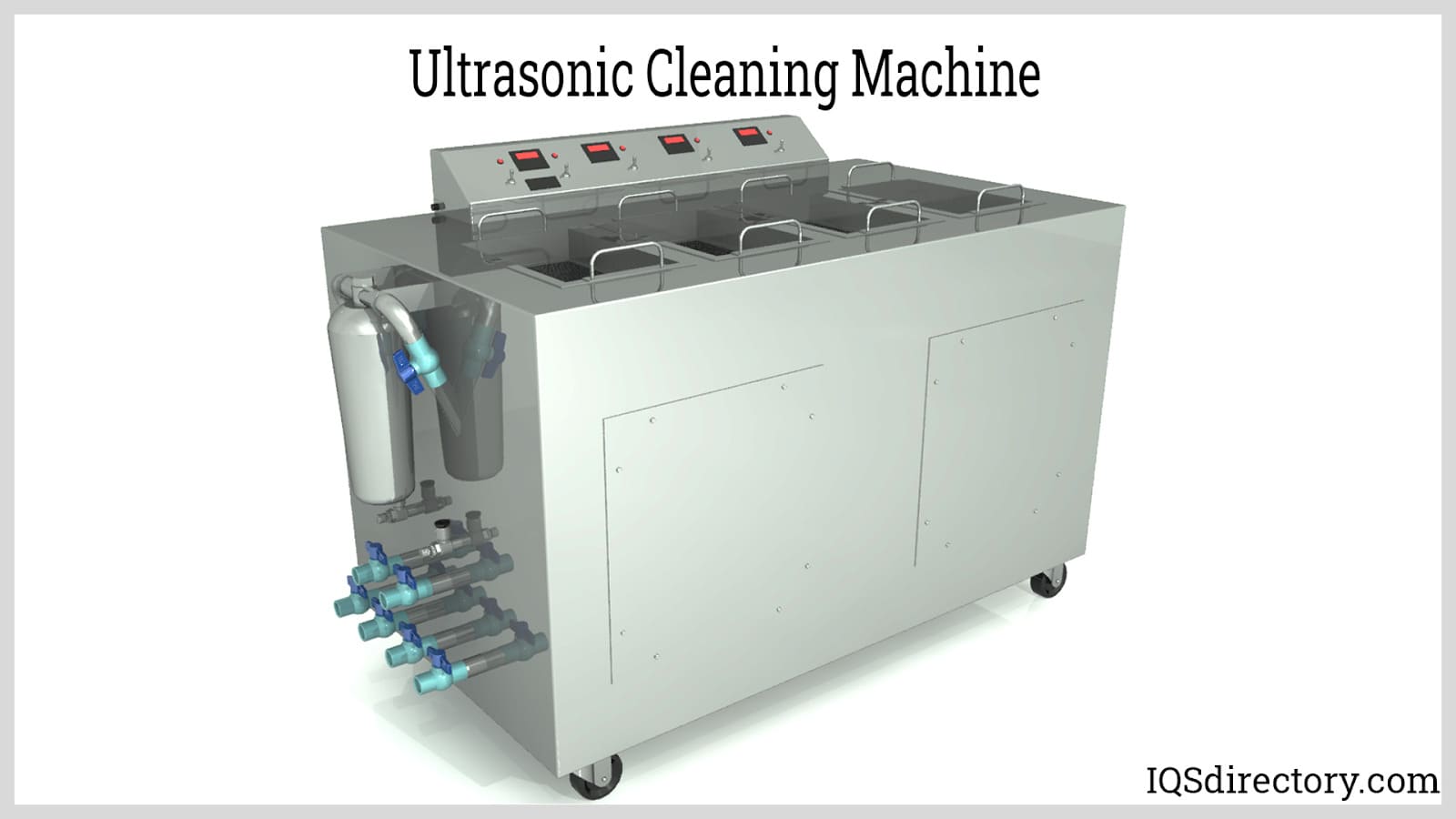
For smaller and more delicate components, vibratory or tumbling deburring machines are preferred. These machines use a mixture of abrasive media, such as ceramic stones or plastic chips, along with the components in a vibratory or tumbling motion. This gentle agitation ensures thorough deburring without compromising the parts’ integrity. When precision is critical, ultrasonic deburring is employed. This method uses high-frequency vibrations transmitted through a liquid medium to dislodge burrs from tight spaces and intricate geometries, making it especially useful for components in the electronics and medical industries where fine details require meticulous deburring.
The versatility of deburring equipment lies in its ability to meet various industries’ unique requirements, ensuring the production of high-quality, safe, and reliable components. These machines not only enhance the performance and longevity of manufactured parts but also improve operational efficiency and customer satisfaction across a wide range of applications. As technology advances, deburring equipment continues to evolve, offering even more innovative and precise solutions to meet the demands of modern manufacturing processes.
Looking for a step-by-step explanation? Learn how each deburring process works and which methods deliver the best results for your parts.
Types
Below, we categorize various types of deburring equipment based on their fundamental operation and provide a brief explanation of each deburring method. Mechanical deburring equipment uses physical motion and abrasives to remove burrs, while abrasive deburring equipment, such as sandblasting, relies on high-pressure blasting with abrasive media. Wet and dry deburring equipment differ in their use of a liquid medium during the deburring process. Thermal deburring is unique, relying on controlled explosions to remove burrs. Electromechanical deburring equipment integrates electric controls with mechanical deburring methods. Centrifugal deburring machines use high-speed rotation for deburring, while non-abrasive deburring equipment, such as ultrasonic and polishing machines, employ specialized techniques for finishing components without abrasive media.
Rotational Tumblers (Mechanical Deburring)
Rotational tumblers are barrels that spin or rotate to mimic natural erosion. Inside the barrels are parts and Deburring media. The movement causes friction, which ultimately deburrs and/or polishes the parts. Tumblers work with a wide range of products.
Vibratory Tumblers (Mechanical Deburring)
Vibratory tumblers, also known as vibratory finishers, polish and grind away burrs through vibrations. This process, called vibratory finishing or mass finishing, is similar to barrel tumbling but allows users to view progress without stopping the machine. They often feature complex vibrating sections and conveyor systems.
Parts Tumbler (Mechanical Deburring)
Parts tumblers are similar to rotational tumblers but are typically larger and specifically designed for mechanical parts, both metal and plastic. They tumble media and parts together, deburring, polishing, and finishing them. These machines are commonly used in metal fabrication, automotive, and aerospace industries for efficient batch processing.
Electrochemical Deburring Equipment (Thermal Deburring)
Electrochemical deburring (ECD) is a newer technique that uses controllable electrical energy to deburr selected areas rather than entire parts. It washes away the deburred material using pressured electrolytes, allowing for precise deburring without thermal or mechanical stress. ECD requires clean, conductive surfaces and is ideal for materials that cannot be scratched or altered otherwise—making it a solution of choice in aerospace and medical device manufacturing for complex, high-precision components.
Polishing Machine (Ultrasonic Deburring)
Polishing machines, also known as polishing equipment, go beyond regular deburring to polish parts. They can be incorporated into various deburring machinery types, including vibratory tumblers and handheld filers and sandpapers. Ultrasonic polishing is especially effective for fine-featured or delicate parts in electronics or medical fields.
Sandblasting Equipment (Abrasive Deburring)
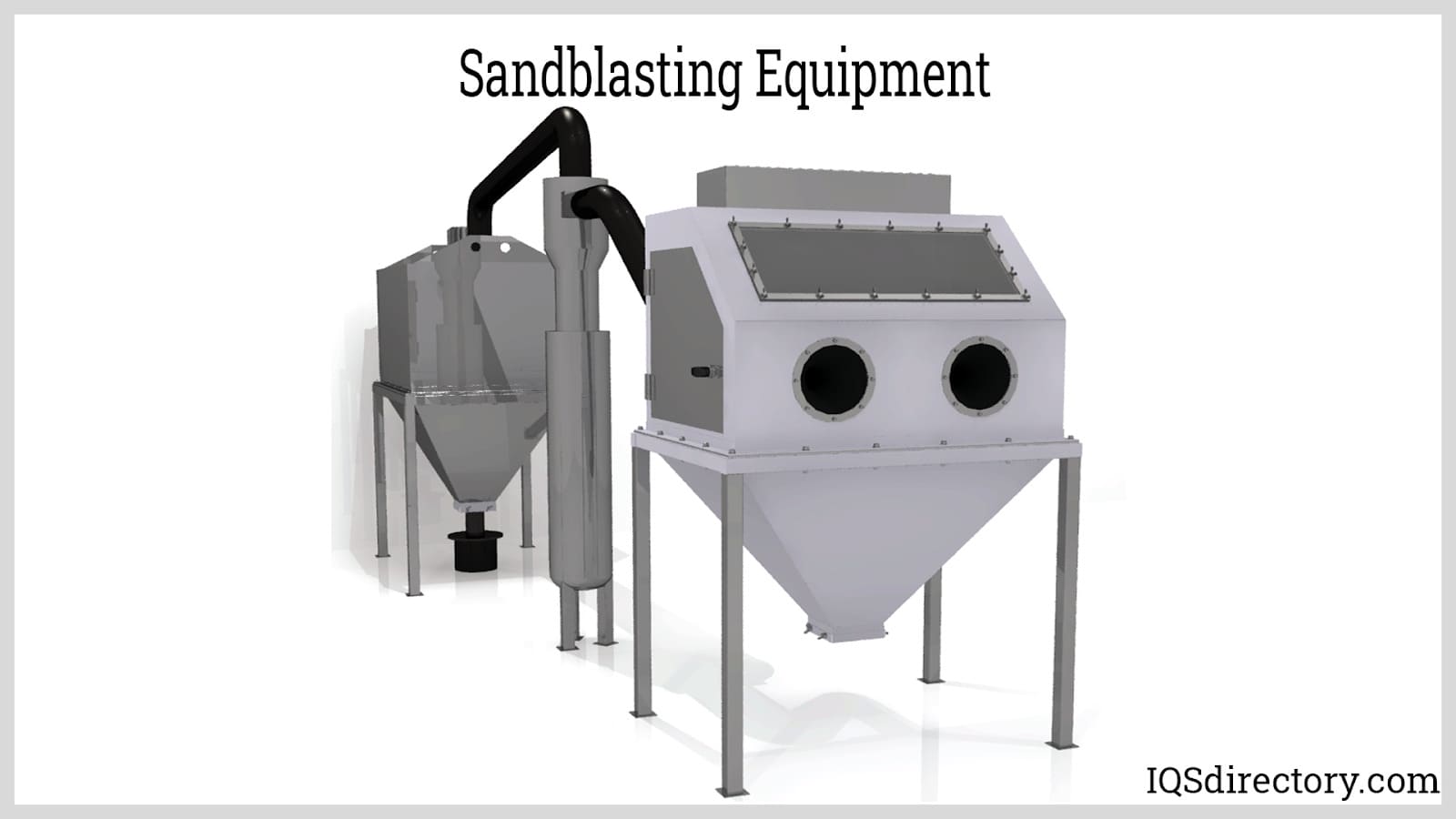
Sandblasting equipment deburrs by blasting sheet metal parts with media such as small ceramic pieces or walnut shells for softer plastics, removing not only burrs but also cleaning and preparing surfaces for painting or coating.
Parts Washers (Wet Deburring)
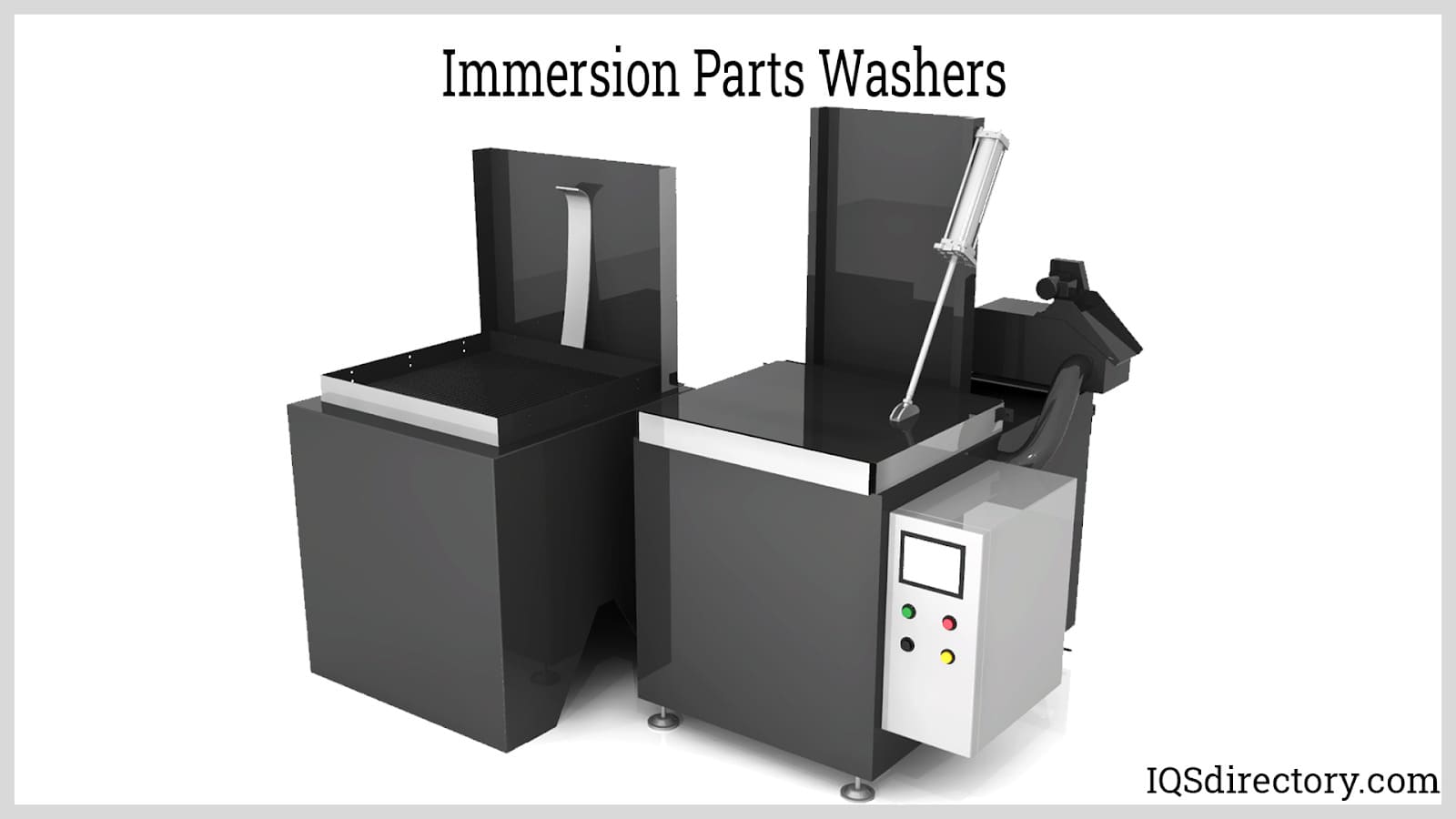
Parts washers are deburring machinery that eliminate unwanted burrs from materials. Advanced deburring machines can also polish parts, ensuring they are ready for smooth functioning by filling up flaws and spots. Wet deburring is particularly useful for removing fine contaminants and cooling parts during the finishing process.
Contact Drum (Mechanical Deburring)
A contact drum is a rubber drum with an abrasive belt around it. It rotates along with the machine’s belt and brush. The contact drum’s soft, smooth, and flexible material ensures efficient cleaning. This system is often used in sheet metal fabrication and large-scale metalworking operations.
Wet Deburring Machine (Wet Deburring)
Wet deburring machines use a coolant through a filter to catch and remove dirt and particles from parts. Some machines have their own filtering system, while others require an external one. Wet systems are ideal for heat-sensitive materials and for processes requiring minimal dust.
Dry Deburring Machine (Dry/Thermal Deburring)
Dry deburring machines are low maintenance and durable but may leave particles on the machine’s surface. They should be used carefully under expert supervision. Dry methods are commonly chosen for parts that cannot be exposed to moisture.
Centrifugal Disc Machine (Electromechanical Deburring)
Centrifugal disc machines, also known as centrifugal disc finishers, consist of a barrel-like chamber and a spinning disc. To deburr parts, place them inside the chamber with abrasive media and turn on the machine. Centrifugal finishing is faster than vibratory and tumbler methods and is ideal for small medical devices or automotive parts, especially when a high-energy finishing process is required.
Manual Deburring
Manufacturers may also use manual deburring techniques, applying abrasive compounds to a surface via rubber wheels or abrasive nylon filament cloth and brushes. Manual methods are best for prototypes, repairs, or low-volume work where flexibility and craftsmanship are required.
Still unsure which type you need? Use our interactive tool to compare deburring equipment types by material, part size, and finish quality.
Equipment Components
Common components of deburring equipment include deburring media, vibratory bowls, brushes, belts, barrels or tumbling containers, robotic technology, and a power source. Advanced systems may also feature automation, programmable controls, and integrated filtering or drying units for enhanced process control and environmental safety.
Deburring Media
Deburring media consist of abrasive materials designed to smooth surfaces without damaging unintended areas. They can be either wet or dry. Typical materials include silica ceramic, synthetic plastics like polycarbonate and acrylics, and natural substances such as corn cob and walnut shells.
Ceramic media is the most commonly used, known for its high abrasiveness suitable for hard metals like stainless steel. It comes in various pre-formed shapes like triangles, cylinders, cones, ellipses, and wedges. Synthetic plastic media, like polycarbonate and acrylics, is less abrasive and is used for softer materials such as aluminum. Plastic media, also available in wet forms, is ideal for tumbling processes. Corn cob media offers a clean and environmentally friendly option, providing fine finishes and absorbing challenging substances like dirt and oils from softer metals.
Deburring Brushes
These brushes are attached to machines to precisely remove unwanted edges and imperfections. They are made from robust materials such as nylon abrasive filaments and are particularly effective for deburring flat-surfaced parts with cavities, slots, or holes. Brushes come in various shapes, sizes, and grit levels to match different part geometries and surface finish requirements.
Want to see more? Browse our media and component selection guide to optimize your deburring process.
Benefits
Smooth Functionality
By eliminating surface burrs, you ensure that your machines and processes operate smoothly, meeting your production demands effectively. Deburring minimizes friction and wear, reducing the risk of mechanical failure and ensuring seamless assembly of components.
Cost Savings
Irregularities in material quality can disrupt production cycles, leading to increased production costs. Poor material quality also results in rejected products. Deburring machines effectively remove burrs, enhancing material quality and streamlining production, reducing costs, and improving profit margins. Automated deburring can also reduce labor costs and improve workplace safety.
Put an End to Wearing and Corrosion
Certain deburring machines apply a protective coating to material surfaces. This coating acts as a barrier, enhancing material durability and resistance to wear, tear, and corrosion. A smooth, burr-free surface also improves the effectiveness of paints, coatings, or lubricants applied in subsequent processes.
Regulatory Compliance and Product Acceptance
Many industries require adherence to strict quality standards and certifications—such as ISO 9001, AS9100, or ISO 13485. Deburring is essential for compliance, ensuring that products pass inspection and are accepted by customers in global markets.
Enhanced Customer Satisfaction and Brand Reputation
A flawless, burr-free finish enhances a product’s appearance and reliability, supporting higher customer satisfaction and a stronger market reputation. This can lead to increased repeat business and referrals.
Want to quantify the value? Calculate your potential cost savings and quality improvements with deburring automation.
Design and Customization
When choosing or designing a deburring system for your specific needs, manufacturers take into account several key factors. These include the desired finish of the parts (whether highly polished, coated, shiny, smooth, etc.), the operational environment of the machine, the material composition of the parts to be deburred, the extent of burring present, as well as the size, shape, and volume of parts to be processed. Additionally, considerations such as equipment utilization frequency and volume capacity (measured in cubic feet) play a crucial role in selecting the appropriate system.
Suppliers often offer customization options to tailor deburring machines to specific applications. They can engineer equipment capable of handling multiple tasks, including applying coatings to achieve smoother and shinier metal finishes. Some machines employ techniques like rubbing similar materials together to remove fine, soft bits, while others utilize sanding to eliminate unwanted imperfections. In certain cases, additional processes such as painting or coating may be employed to achieve desired final finishes. Automation, integration with conveyors or robotic loading/unloading, and modular system designs are also available for optimized workflow.
Do you need a custom solution? Contact our specialists for a tailored deburring system designed for your workflow and materials.
Safety and Compliance Standards
In the United States, the safety and compliance standards for deburring equipment are primarily set and enforced by governmental agencies, with contributions from non-governmental organizations. The Occupational Safety and Health Administration (OSHA) is pivotal in ensuring workplace safety, particularly in the use of industrial machinery such as deburring equipment. OSHA establishes guidelines, standards, and regulations that manufacturers and employers must follow to ensure safe operation and maintenance of deburring machinery.
Additionally, the American National Standards Institute (ANSI) plays a crucial role in developing voluntary consensus standards across various industries, including manufacturing. ANSI standards provide guidance on safety practices, design specifications, and performance requirements for deburring equipment, complementing mandatory OSHA regulations.
States may also have their own agencies and regulations for workplace safety. These state-level entities often adopt OSHA standards and may impose additional requirements tailored to local needs and industries. As a result, manufacturers and employers need awareness of both federal and state-specific standards when using deburring equipment.
Compliance with these safety and regulatory standards offers several advantages. It ensures a secure work environment, minimizing accidents, injuries, and fatalities. Compliance also enhances the quality of manufactured components, improving product performance and customer satisfaction. Moreover, adherence to safety standards can bolster a company’s reputation, demonstrating commitment to employee well-being and high-quality production.
Failing to meet these standards can lead to serious consequences. OSHA violations may result in significant fines, penalties, and legal actions against the company. Non-compliance can also cause workplace accidents, injuries, equipment damage, production delays, and increased costs. From a reputational perspective, companies with a history of safety violations may struggle to secure contracts and face diminished trust from stakeholders and customers.
In summary, adherence to safety and compliance standards concerning deburring equipment is essential for fostering a safe and effective manufacturing environment. Both government bodies like OSHA and non-governmental organizations such as ANSI play critical roles in developing and enforcing these standards. Manufacturers and employers must stay informed about federal and state-specific regulations to avoid penalties, protect their reputation, and enjoy the benefits of enhanced safety, quality, and productivity.
Looking for compliance support? Access the latest OSHA and ANSI safety guidelines for industrial deburring equipment.
Things to Consider
For expert guidance in selecting the most suitable deburring machinery for your needs, consult with a seasoned professional or a reputable manufacturer specializing in deburring equipment. They will assist you in choosing the appropriate machinery, whether it’s a large-scale industrial unit or a handheld tool. To identify potential suppliers, refer to the detailed listings provided on this page. All companies listed are established leaders in the field and are known for their reliability. Evaluate them based on your specific criteria, including budget, lead times, and delivery preferences. Select three or four companies that match your requirements and contact them directly with your inquiries. Choose the supplier that offers the most personalized and effective solution for your needs.
Not sure where to begin? Use our supplier comparison checklist to evaluate deburring equipment vendors.
How to choose the right deburring machinery manufacturer
In manufacturing, deburring machinery is essential for delivering smooth, safe, and high-quality parts. Whether you’re in aerospace, automotive, or precision engineering, selecting the right deburring machinery manufacturer can make or break your production process. With countless options available, how do you ensure you’re partnering with the best? Here’s a practical guide to help you choose wisely, brought to you by IQS Directory—your trusted resource for connecting with top-tier industrial suppliers.
-
- Assess Their Industry Experience
Experience matters. Look for manufacturers with a proven track record in your specific industry. A company familiar with aerospace tolerances, for example, will understand the precision required for turbine blades, while one serving automotive clients will prioritize high-volume efficiency. Check their portfolio or case studies to confirm their expertise aligns with your needs.
-
- Evaluate Product Range and Customization
Deburring needs vary—vibratory tumblers for small batches, centrifugal barrel machines for high-energy finishing, or automated systems for large-scale production. The right manufacturer offers a diverse range of equipment and the ability to customize solutions. At IQS Directory, we list suppliers who provide everything from standard models to tailored machinery, ensuring you find the perfect fit.
-
- Prioritize Quality and Durability
Your deburring equipment must withstand rigorous use. Investigate the materials and components used—stainless steel construction, advanced abrasives, and reliable controls signal durability. Ask about warranties and service life. Manufacturers listed on IQS Directory are vetted for quality, giving you confidence in their offerings.
-
- Check Technical Support and Service
Even the best machinery requires maintenance. Choose a manufacturer with robust after-sales support—spare parts availability, on-site servicing, and responsive technical assistance. A supplier that minimizes downtime keeps your operation running smoothly. Browse IQS Directory to find companies known for exceptional customer service.
-
- Compare Innovation and Technology
Top manufacturers stay ahead with cutting-edge features—automation, energy efficiency, or precision controls. These advancements boost productivity and reduce costs. Look for firms investing in R&D to meet modern demands, a trait highlighted in the profiles of IQS Directory’s featured suppliers.
-
- Review Reputation and References
Reputation speaks volumes. Seek out reviews, testimonials, or references from other clients. A manufacturer with a history of satisfied customers is more likely to deliver. IQS Directory simplifies this step by connecting you with reputable suppliers and offering insights into their standing in the industry.
-
- Consider Cost vs. Value
Price is a factor, but don’t sacrifice quality for savings. Compare initial costs against long-term benefits like efficiency, reliability, and reduced maintenance. Request quotes from multiple manufacturers to find the best value. With IQS Directory, you can easily get free price quotes from trusted suppliers in one place.
Why Choose IQS Directory?
Finding the right deburring machinery manufacturer doesn’t have to be overwhelming. IQS Directory streamlines the process by connecting you with leading suppliers across the U.S. and beyond. Our platform offers detailed company profiles, product listings, and direct contact options, empowering you to make informed decisions fast.
Ready to find your ideal partner? Explore IQS Directory today and discover top deburring machinery manufacturers who meet your exact specifications.
What are burrs and why do they form during manufacturing?
Burrs are uneven, jagged protrusions or ridges that form on the surface and edges of materials during manufacturing processes like cutting, drilling, or stamping. They result from material being displaced rather than cleanly removed, and their presence can affect assembly, durability, and safety of the final product.
What is deburring and why is it important?
Deburring is a finishing process that removes burrs from machined parts to improve quality, functionality, and safety. It prevents issues like improper fitting, excessive wear, and potential injuries from sharp edges. Deburring also enhances appearance and assists in meeting strict industry quality standards.
What types of deburring equipment are available?
Deburring equipment includes vibratory deburring machines, tumbling barrels, brush deburring machines, thermal deburring systems, electrochemical deburring devices, abrasive flow machining, and manual tools. The choice depends on material, part geometry, production volume, and finish quality requirements.
Which industries rely heavily on deburring equipment?
Industries such as automotive, aerospace, electronics, building construction, medical device manufacturing, precision engineering, energy, and consumer goods all depend on deburring to ensure product safety, performance, and compliance with rigorous quality standards.
What are the main benefits of using deburring equipment?
Deburring equipment enhances product quality by ensuring smooth functionality, reduces production costs, prevents wear and corrosion, assists regulatory compliance, and improves customer satisfaction and brand reputation through consistently high-quality finishes.
How do I choose the right deburring equipment for my application?
To select the appropriate deburring equipment, consider factors such as the material type, part geometry, production volume, desired finish quality, and compatibility with automated processes. Consulting with experts or reputable manufacturers can help you match a solution to your specific operational needs.
What standards and regulations apply to deburring equipment?
Deburring equipment must comply with safety and quality regulations set by agencies like OSHA (Occupational Safety and Health Administration) and ANSI (American National Standards Institute) in the U.S. Compliance ensures safer operations, regulatory approval, and consistent product quality across industries.
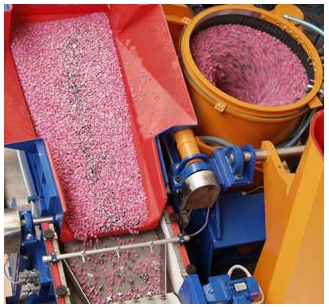 Deburring Machinery
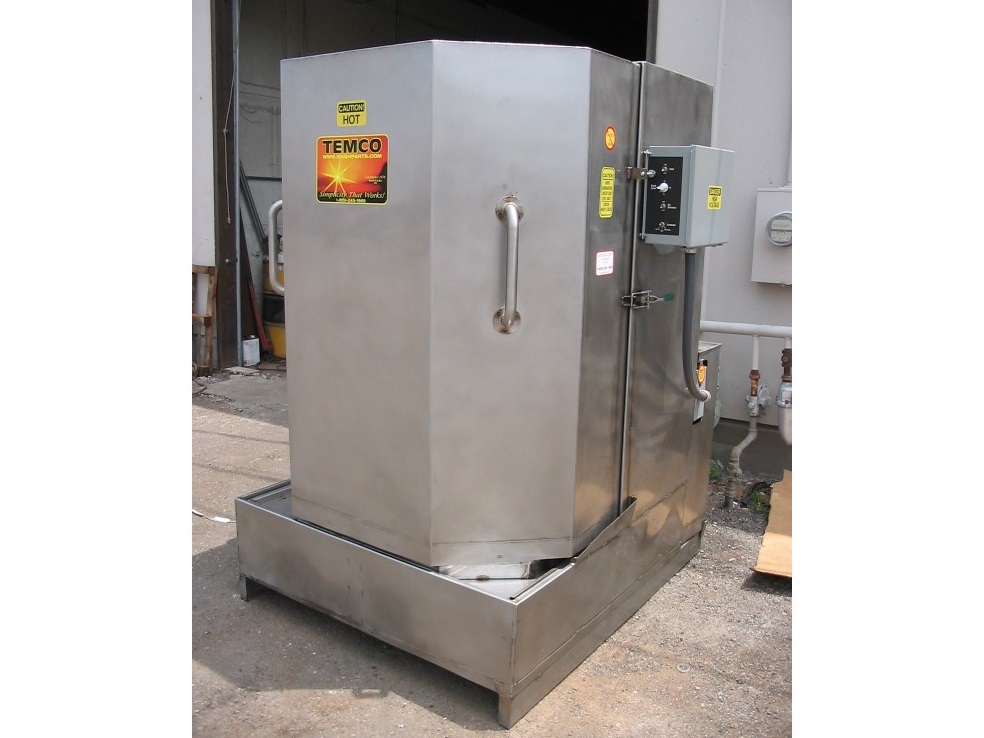 Industrial Parts Washers
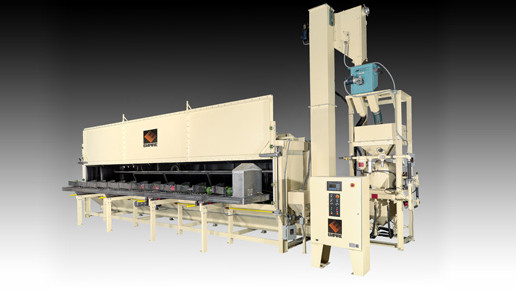 Sandblast Equipment
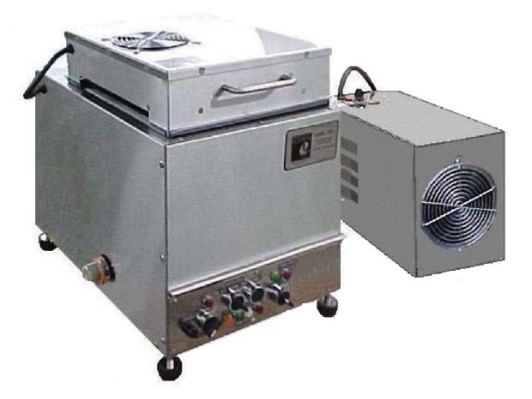 Ultrasonic Cleaners
 Castings & Forgings
 Bulk Material Handling
 Electrical & Electronic Components
 Flow Instrumentation
 Hardware
 Material Handling Equipment
 Metal Cutting Services
 Metal Forming Services
 Metal Suppliers
 Motion Control Products
 Plant & Facility Equipment
 Plant & Facility Supplies
 Plastic Molding Processes
 Pumps & Valves
 Recycling Equipment
 Rubber Products & Services